
妻子的诱惑
Baltic Sea Will Become ‘NATO Basin’ After Nordic Nations’ Accession to Alliance, Polish Prez Says_我的网站

一 | The Baltic Sea will become an “internal basin” of the NATO bloc after Finland and Sweden join the alliance, with every country bordering the sea barring Russia and its exclave of Kaliningrad to be part of the alliance, Polish President Andrzej Duda has boasted.,“The Baltic sea is essentially poised to become NATO’s internal basin. Two very powerful nations with a long and strong military tradition will become part of NATO soon, extending the Russia-NATO border by 1,400 kilometers, which is no doubt bad news for Russian authorities,” Duda said during a meeting of Poland’s security council on Monday.,Expressing hope that Finland and Sweden are accepted quickly and that their membership is ratified by NATO’s 30 members, Duda stressed that there was “no need for an explanation on how important this decision is for us.”,Late last week, Russian deputy foreign minister Alexander Grushko called the push to incorporate the pair of Nordic countries into the Western alliance “one of the saddest episodes in the evolution” of Europe’s security architecture, and warned that Moscow will be forced to beef up its defenses to compensate for new threats.,“This will severely worsen the military situation in the Baltic Sea region, which, as a result of NATO’s expansion…would be turned into an arena if not of military confrontation, then completely unnecessary military rivalry,” Grushko said.,Russian President Vladimir Putin warned last Wednesday that although Moscow does not have the same type of “problems with Sweden and Finland” as it does with Ukraine, the two countries “should plainly and clearly realize that [while] there were no threats before, now, if military contingents and infrastructure are deployed there, [Russia] will have to respond in a mirror fashion.”,Mayor of Finland's Border Town Mulls Placing NATO Base Directly on Russia's Doorstep3 July, 12:48 GMT,Finland and Sweden completed accession talks at NATO headquarters in Brussels on Monday, with the bloc indicating in a statement that “both countries formally confirmed their willingness and ability to meet the political, legal and military obligations and commitments of NATO membership.” Allies are due to sign accession protocols on Tuesday, after which they will go out to all 30 member countries for ratification.,The pair of Nordic nations broke with generations of neutrality by announcing their bids for NATO membership this spring after Russia began its military operation in Ukraine. Until now, Sweden had maintained strict bloc neutrality since the 19th century, and has not taken part in any large-scale war in Europe since 1814. Finland became neutral at the start of the Cold War, and continued this policy for decades after 1991.,Swedish PM Refuses to Say if Stockholm Will Deport Kurds Wanted in Turkey as Part of NATO DealYesterday, 11:38 GMT,The countries’ neutrality did not prevent them from leaning in NATO’s direction after the collapse of the USSR and the Eastern bloc. They joined the Western alliance’s ‘Partnership for Peace’ program in 1994, and took part in the US-led occupation of Afghanistan, as well as 'peacekeeping' operations in the Serbian breakaway region of Kosovo after 1999. Both countries’ armies, navies and air forces also regularly take part in NATO-led military exercises in the region.,The planned incorporation of Finland and Sweden into NATO is the latest round of the bloc’s eastward push. Since 1990 and Secretary of State James Baker’s famous “not one inch east” promise to Soviet General Secretary Mikhail Gorbachev, the Western bloc has undergone three major waves of eastward expansion, swallowing up the Czech Republic, Hungary and Poland in 1999, Bulgaria, Romania, Slovakia, Slovenia and the Baltic states in 2004, and Albania, Croatia, Montenegro and North Macedonia between 2009 and 2020. After Finland and Sweden’s accession, there will be just nine countries in Europe, Russia included, that are not part of the US-led North Atlantic alliance.,German Lawmaker Reveals How NATO Fooled Gorbachev About Bloc’s Eastward Expansion Plans31 January 2020, 16:43 GMT。
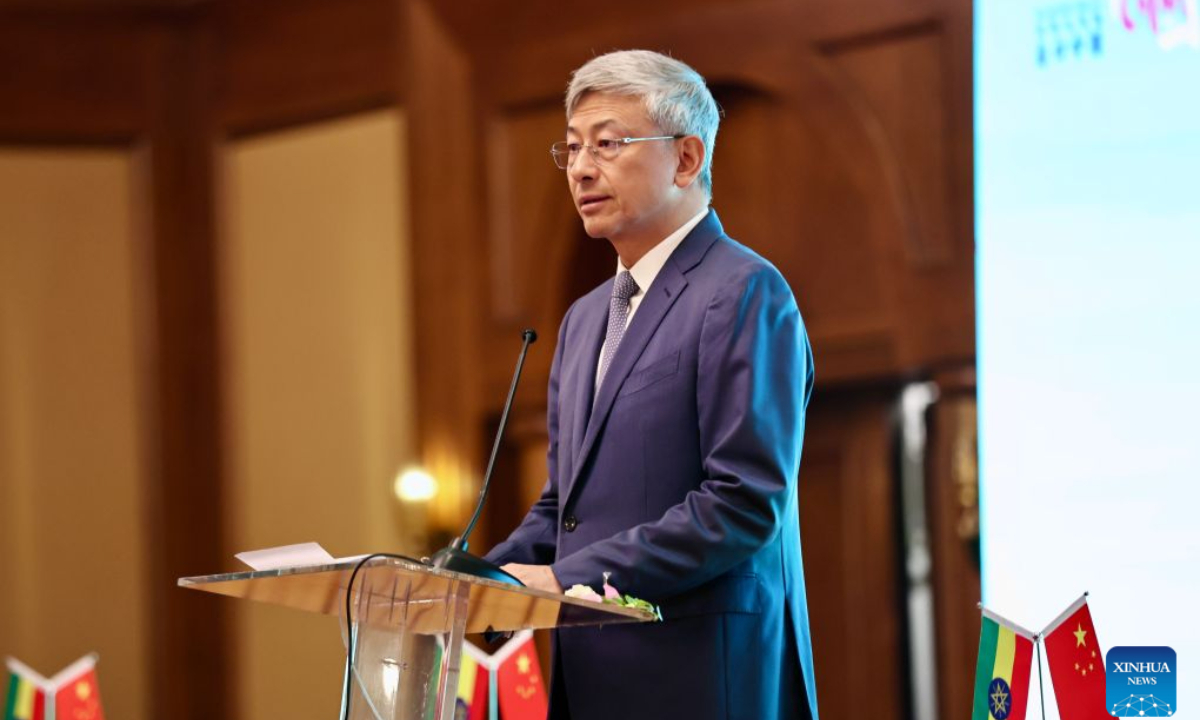
A total of 33 cooperation deals were signed between companies of the two sides, with a combined contract value of over 330 million U.S. dollars.
Speaking at the event, Chen Hai, Chinese ambassador to Ethiopia, said the initiative aims to make the Chinese big market a global shared market, foster a more balanced trade growth and safeguard a multilateral trading system.
Chen said China remains the largest trading partner and source of investment to Ethiopia, and continuously opens up its market through extending zero-tariff treatment, among others.
"These policies not only help lower market access costs for exports to China, enable Ethiopian products to sell more in the Chinese market, and promote the balanced development of bilateral trade, but also attract Chinese and other trading partners to increase investment in Ethiopia's advantageous industries, enhance the competitiveness and reputation of Ethiopian products and achieve agricultural modernization and industrialization," he said.
According to the ambassador, the session is a manifestation of China's emphasis on boosting its bilateral economic and trade cooperation with Ethiopia through importing high-quality products from Ethiopia.
Kassahun Gofe, Ethiopia's minister of trade and regional integration, said Ethiopia's exports to China reached an impressive 369 million U.S. dollars in the 2025/2026 Ethiopian fiscal year that ended on July 7, marking an average annual growth rate of 92 percent over the last five years.
He said the "Big Market for All: Export to China" initiative is vital not only to expand commercial trade but also to advance a bold, strategic and enduring partnership between China and Ethiopia.
"By opening the vast Chinese market wider to Ethiopian goods, China is not only satisfying the growing demands of its consumers for premium products, but it is also creating a resilient, balanced, and mutually beneficial trade architecture," he said.
Chang Hui, deputy director general of the Department of Foreign Trade at China's Ministry of Commerce, who led a delegation of Chinese importing companies, said the all-weather strategic partnership between China and Ethiopia has continued to deepen practical cooperation in various fields, yielding fruitful results in bilateral trade ties.
He said the initiative is a practical step by China to pursue high-standard opening up, actively expand imports from countries around the world, and promote balanced trade.
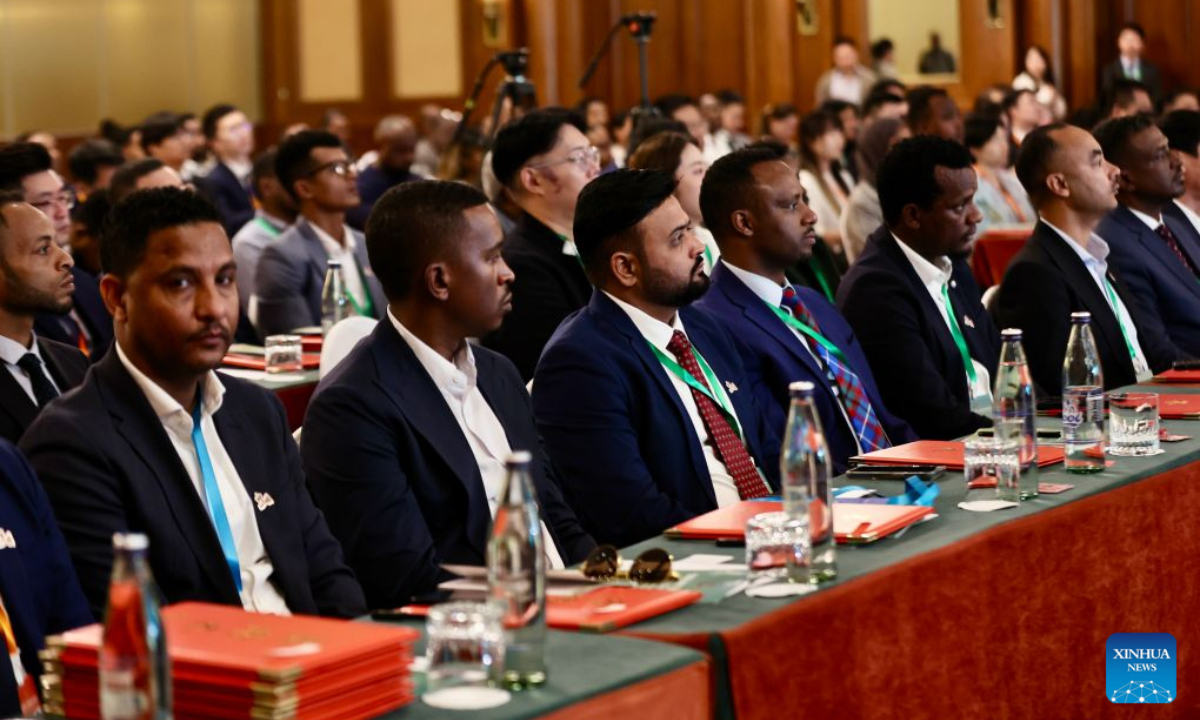
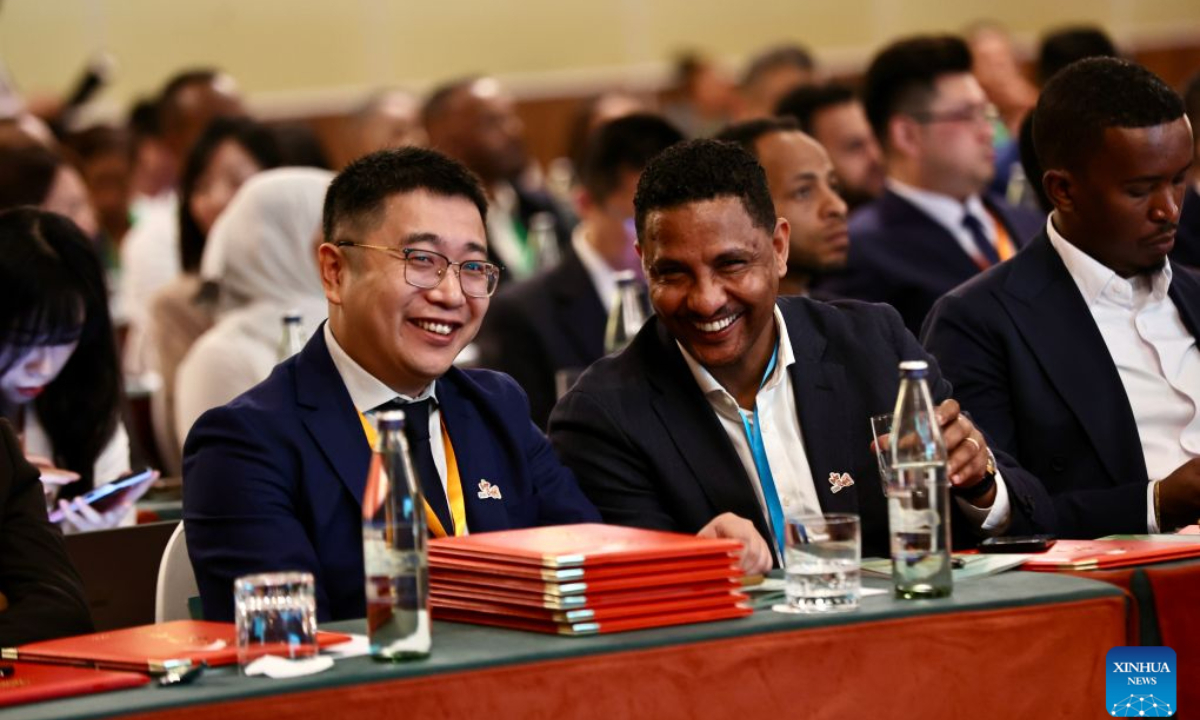
The trade promotion event, co-hosted by China's Ministry of Commerce, Chinese Embassy in Ethiopia, the Ethiopian Ministry of Trade and Regional Integration, and the Ethiopian Ministry of Finance, brought together more than 200 Chinese and Ethiopian representatives of the import-export trade, who are expected to exchange market information, engage in matchmaking activity and establish and expand supply chains.
。
Current article:http://8i5c.nuotingqinbeimaeijin.cfd/list_dks82/zpyj5f.html
Published on:21:06:59